




Author:BitPush
Author: The Economist
Compiled by: Deep Tide TechFlow
Deep Tide Introduction: AlthoughBitcoinPrices remain above $70,000, but the crypto market is experiencing an unprecedented "lonely winter." This article delves into the differences between this downturn and previous ones: the chain reaction of leveraged liquidations, the fact that once-promising ETFs have become drivers of the sell-off, and most importantly—the loss of "vibe."
As cryptocurrencies have transformed from a cool, anti-mainstream culture into a "mediocre asset" embraced by the elite but not truly accepted by the mainstream financial system, their premium is rapidly dissipating.
The author warns that if that unique passion cannot be rediscovered, this winter may be exceptionally long.
The full text is as follows:
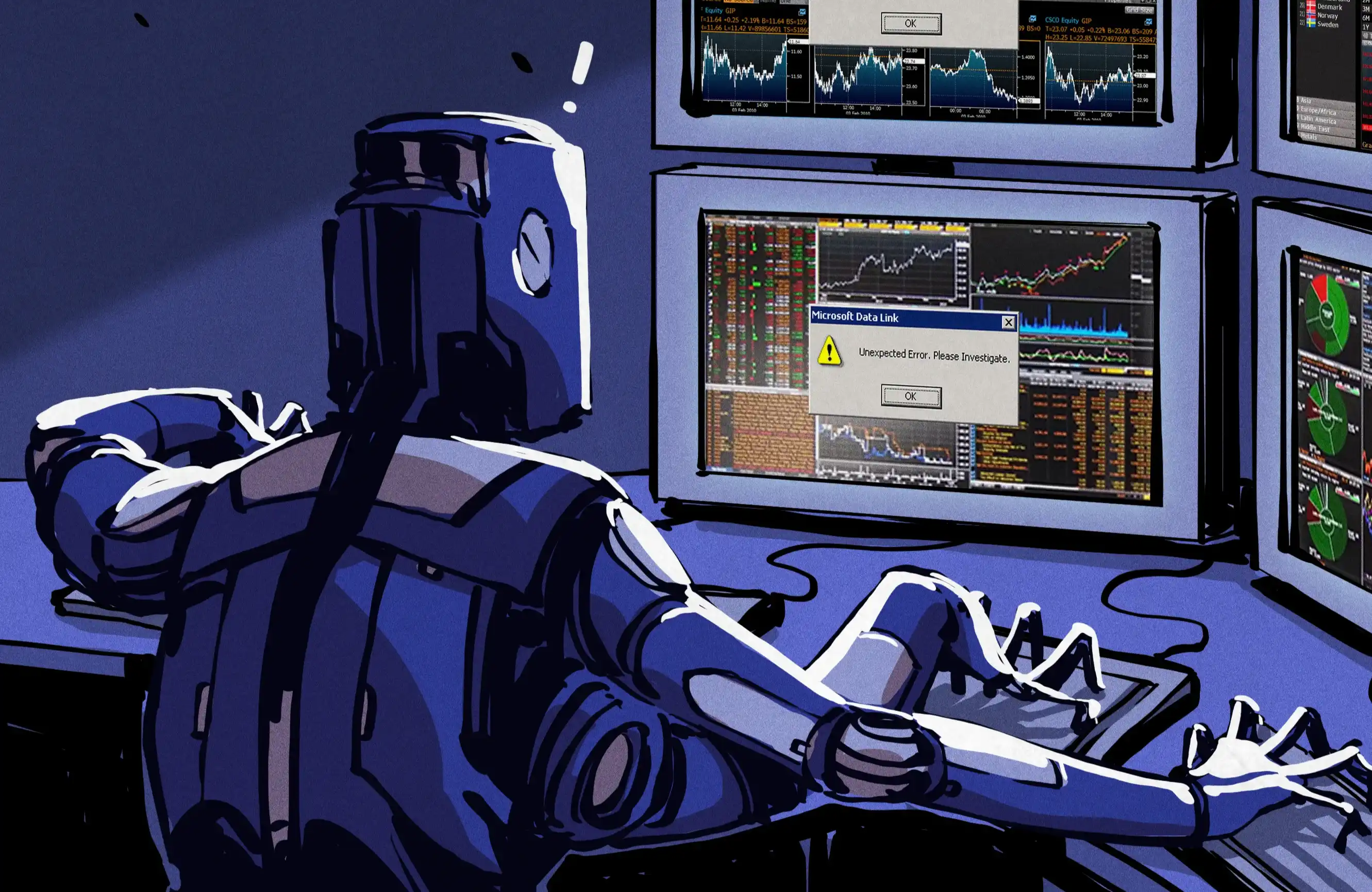
A cold snap has swept across the U.S. East Coast for weeks, with temperatures in some areas dropping to their lowest levels in decades. But this pales in comparison to the "deep freeze" that has driven crypto assets into the market. Bitcoin's price has plummeted from $124,000 in early October to around $70,000 today, and the total market capitalization of all cryptocurrencies has shrunk by more than $2 trillion. While these assets have suffered blows before, the frustration of their supporters seems stronger than ever.
In some ways, their level of suffering is astonishing.puzzlingBitcoin's 45% drop is by no means the worst in history: from its peak at the end of 2021, its price plummeted by 77%. It took the crypto industry approximately three years to recover its market capitalization. And the current bear market has only lasted four months.
But look at the performance of other asset classes. In 2022, crypto investors could find some solace in the fact that everyone was losing money. That year, the tech-heavy Nasdaq 100 fell by more than a third from its peak to its trough. Now, the index is less than 4% away from its all-time high reached a few weeks ago (despite the poor performance of some software companies). The sadness of crypto fans stems from their loneliness.
The forces driving such a volatile and speculative market are always shrouded in mystery. However, it is clear that leverage and liquidation are playing a significant role. As of the end of September, just before the crash began, the monitored size of crypto asset lending was approximately $74 billion—more than doubling in the past 12 months and surpassing levels seen at the end of 2021.
Subsequently, starting October 10th, leveraged positions worth approximately $19 billion were rapidly liquidated due to massive losses. This was followed by the liquidation of a series of smaller positions. Market concerns about Strategy Inc. (a company that buys Bitcoin through lending and issuing shares) intensified. Its stock price has fallen nearly 70% since July.
The sheer variety of crypto products may have exacerbated this decline. The introduction of crypto exchange-traded funds (ETFs) in 2024 was intended to support prices by expanding the pool of potential buyers. This did work for a time. The iShares Bitcoin Trust ETF (IBIT) became the fastest-growing ETF in history, reaching nearly $100 billion in assets by October. However, now, ETFs are dragging down prices. IBIT has seen $3.5 billion in outflows over the past 80 trading days—its first sustained sell-off. Most of those invested in the fund are currently experiencing losses.
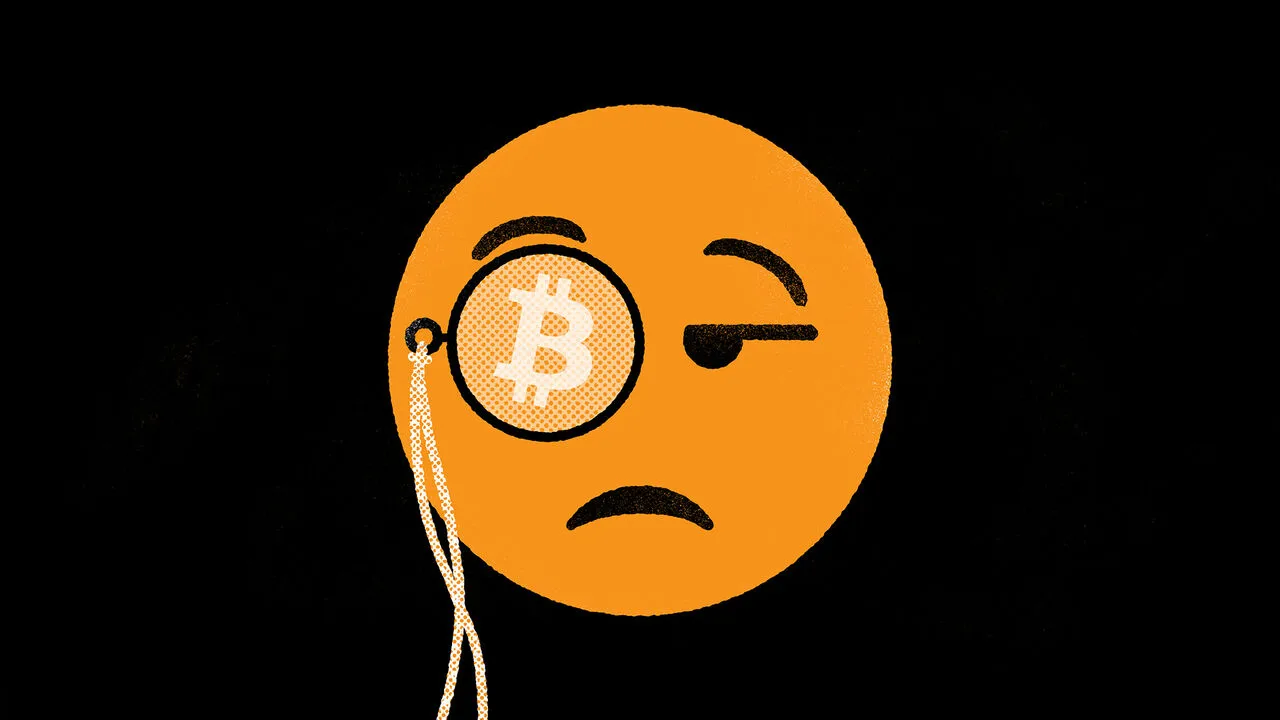
The final factor suppressing cryptocurrencies is the most difficult to quantify: the "vibe" is wrong. For a speculative asset class lacking fundamental value or yield-generating potential, the intangible "halo" is everything. And what once surrounded...Digital assetsThe aura of excitement seemed to have faded.
Part of the reason is that they've lost their rebellious edge. How much of a "counter-cultural" quality does an asset class retain if the US president and his family are deeply involved? As Charles Hoskinson, co-founder of the blockchain platform Ethereum, succinctly put it last month: "We've basically all become part of the system. You know what the system does when you become part of it? It makes it less cool."
For some companies, the newly acquired "rigid" reputation of cryptocurrency also has its advantages. Institutionalization has helped...StablecoinsIssuers have streamlined digital payments. However, assets like Bitcoin, while losing their "cool" appeal, have yielded little return; they appear to be part of the "system," but are not truly adopted by it. Professional, conservative investors remain averse to cryptocurrencies. A Bank of America survey in September revealed that the vast majority of fund managers do not hold any cryptocurrency. Digital assets accounted for only 0.4% of the total value of respondents' portfolios.
At the same time, central banks around the world are buyinggoldTo protect themselves from inflation, geopolitical threats, and the risks of sanctions, digital assets, once promised as alternatives to fiat currency, are now being sidelined. Last year, the Czech central bank became the first to publicly announce cryptocurrency purchases, buying $1 million worth of experimental (and negligible) Bitcoin. It has not yet announced further purchase plans.
Digital assets have proven far more resilient than many financial columnists (who are always keen to write obituaries for them) once doubted. Despite bear market after bear market, they have consistently withstood predictions of total collapse. But there are good reasons why this crypto winter feels exceptionally bitter. Don't expect a recovery unless the atmosphere improves.